
University of Washington · Department of Obstetrics & Gynecology
Training healthcare teams to manage miscarriage, wherever patients present.
Clinical teams caring for patients with early pregnancy loss work within constraints on time, training, and resources. TEAMM helps clinics, emergency departments, and residency programs strengthen the miscarriage care they provide, in whatever form that takes at their site.What TEAMM does
TEAMM trains teams. Not just physicians, but everyone who involved in miscarriage visits: physicians, advanced practice clinicians, residents, nurses, medical assistants, social workers, clinic managers, and front desk staff.
We help sites decide what to change. Before and during trainings, we work with a champion and site stakeholders to define what's realistic in your setting and what a practical set of next steps looks like. Every site starts somewhere different.
We provide resources and ongoing support. This includes protocols, patient education materials, equipment guidance, and follow-up technical assistance as you implement. Our resource library is open to anyone, whether or not we provide training at your site.
Why miscarriage care falls short
Early pregnancy loss is the most common complication of pregnancy, affecting 10 to 20% of recognized pregnancies. Patients seek care wherever they can: symptoms often begin before prenatal care is established, or after hours, or the OB clinic is full, or they've been sent in to rule out an ectopic pregnancy.
For myriad reasons, miscarriage management is often insufficiently covered in training for emergency medicine, primary care, and sometimes even OB/GYN. Clinical teams are left to manage a common, emotionally difficult condition without much preparation for it.
Though there are three options for managing miscarriage, expectant management often becomes the default. For some patients it's the right choice, but for others it means weeks of uncertainty, or a return visit when bleeding becomes heavy. All three options are safe and effective, and in most situations patient preference should guide which one they get.
TEAMM trains clinical teams to offer all three options, with the skills, protocols, and counseling tools to do it well, so the choice belongs to the patient.
What change looks like
TEAMM’s goal is for every clinical team we train to reach the same starting point after working with us: whenever possible, patients get a clear diagnosis at the visit and a conversation about all three options, so they leave knowing what to expect from whichever one they choose.
Where clinical teams go from there depends on the setting.
An emergency department provides medication management on the spot, and coordinates with OB/GYN for patients who want a procedure.
A rural clinic manages miscarriage on site, so patients don't travel hours to a referral center for care that can be provided competently where they are.
The whole clinical team, including nursing, medical assistants, and front desk staff, knows enough about early pregnancy loss that patients get consistent, informed responses at every point of contact.
Bring TEAMM to your site
Training is free for selected sites, funded by our sponsors. We'll talk through your goals and what a training series would look like for your team.
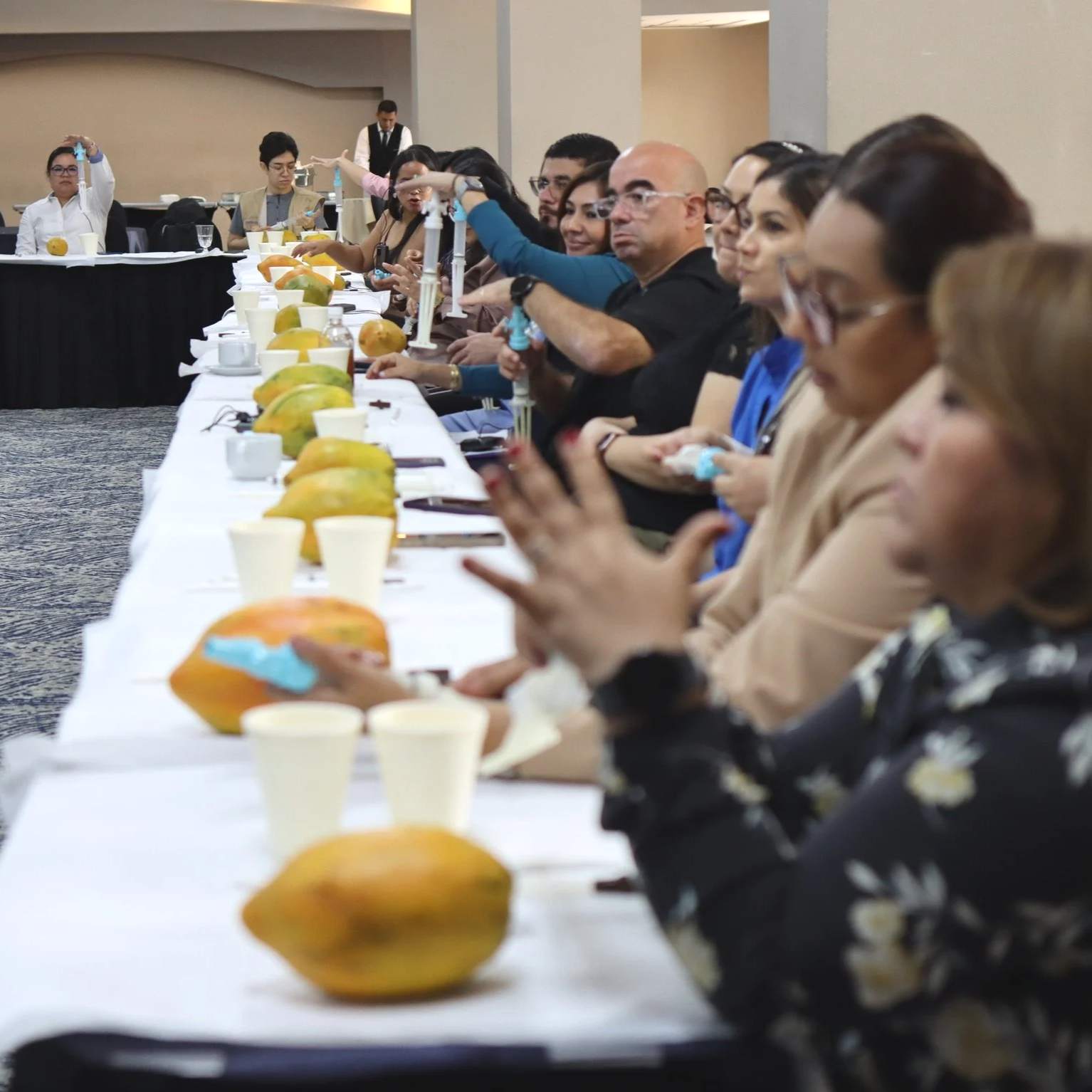
“The training made a difference because people saw how easy the MUA procedure was and there was discussion to break down myths and barriers regarding the procedure. Beforehand it was, nope, that’s going to take hours and we’re not going to do that.”
Since 2008
More than 100 clinical and academic sites across 21 states plus D.C. in the U.S., and over 4,000 people trained. Residency programs, academic medical centers, federally qualified health centers, military hospitals, rural hospitals, and independent practices. Outside the U.S., partnerships for training in Honduras and Guatemala.
Support this work
TEAMM is funded entirely by individual donors and foundations. That funding is what makes training free for the sites that need it most, and it's what determines how many teams we can reach each year.